
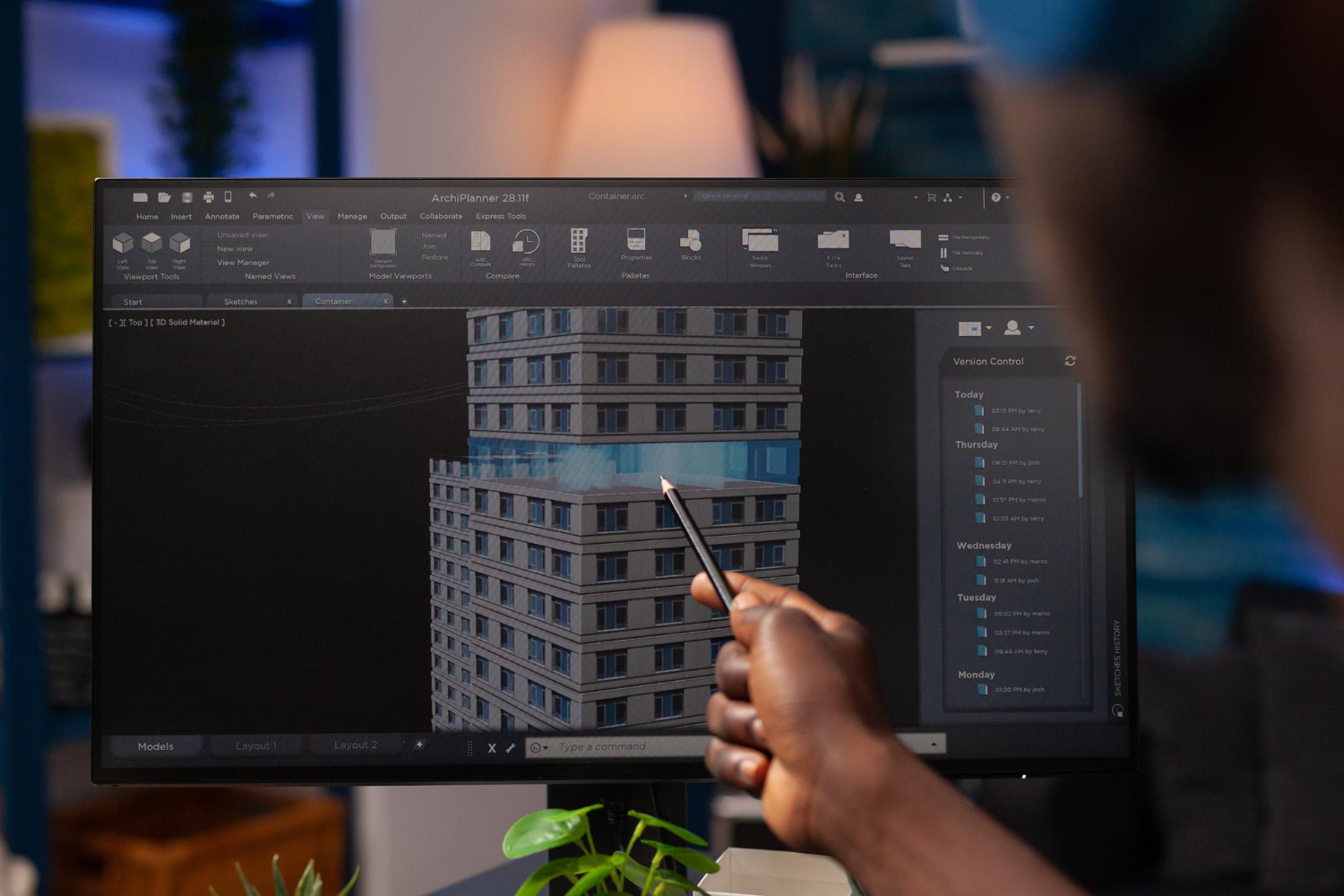
California’s ambitious push toward smarter, more integrated infrastructure is setting a new standard in the engineering and construction sectors. A core element of this vision is the adoption of digital twins—virtual representations of physical assets that enable real-time analysis, simulation, and optimization. To bring this vision to life, the convergence of Building Information Modeling (BIM) and Computer-Aided Design and Drafting (CADD) technologies is proving essential. This article explores how these tools are blending to revolutionize project delivery, with implications for public and private industries alike.
Understanding California’s Digital Twin Initiatives
California is leveraging digital twin technology to transform how infrastructure is designed, built, and managed. By integrating real-time data, analytics, and 3D modeling, digital twins provide insight into asset performance across an asset’s lifecycle. State projects in critical areas—like transportation, water management, and energy—are already exploring this technology. California’s emphasis on sustainability and innovation has accelerated the need for cohesive workflows that connect BIM and CADD systems.
Digital twins go beyond just models and data; they are dynamic tools that offer predictive analytics, informed decision-making, and enhanced operational efficiency. The state’s Department of Transportation, for example, is piloting programs that rely on digital twins to optimize traffic systems and improve public safety.
Key Differences and Synergies Between BIM and Traditional CADD
While both BIM and CADD are essential tools in design and engineering, their purposes and functionalities differ significantly.
- CADD focuses primarily on creating detailed 2D and 3D drawings used in construction and design. It serves as a precise tool for drafting and has been the backbone of design workflows for decades.
- BIM, on the other hand, offers a more holistic approach. Beyond geometry, it integrates information about materials, scheduling, costs, and maintenance, enabling project stakeholders to collaborate across the entire lifecycle of an asset.
The synergy between BIM and CADD lies in their ability to complement each other. CADD excels at precision and detail, while BIM offers context and insight. Together, they create a comprehensive ecosystem that improves accuracy, reduces errors, and streamlines processes.
Real-World Applications of Converging Workflows
The fusion of BIM and CADD workflows is unlocking new possibilities, particularly in infrastructure projects. Here are some examples of how this convergence is driving innovation in California:
- Public Works Projects: By combining CADD’s precision drafting with BIM’s comprehensive modeling, agencies can design roads, bridges, and water systems more effectively. Digital twins built on these tools provide real-time maintenance insights, extending asset lifespans.
- Transportation Systems: Rail systems, highways, and urban transit networks are benefitting from BIM + CADD integration. With digital twins, project teams can simulate traffic patterns, reduce congestion, and forecast maintenance needs.
- Energy Infrastructure: Renewable energy projects, such as solar farms and wind turbines, are leveraging these workflows to design efficient layouts and monitor energy output in real time.
The convergence enables professionals to manage complex systems more effectively, improving timelines and reducing costs.
Impact on Public Works, Transportation, and Energy Sectors
The adoption of these integrated workflows is driving measurable benefits across public and private sectors. Public works projects are seeing reduced project delays and cost overruns, thanks to streamlined design and construction coordination. Digital twin technology, supported by BIM and CADD, allows for real-time status updates, minimizing downtime and improving asset reliability.
For the transportation sector, the ability to model entire ecosystems in 3D has enhanced safety and long-term planning efforts. Predictive maintenance powered by digital twins ensures that infrastructure is prepared to meet rising demands sustainably and efficiently. Similarly, the energy sector is optimizing resource allocation and achieving greater operational efficiencies by integrating these advanced workflows.
Role of Technical Staffing and Project Support
To successfully implement these systems, companies need specialized technical talent. Professionals skilled in BIM, CADD, and digital twin technology play a critical role in ensuring smooth transitions to these advanced workflows. Often, in-house teams may not have the required expertise or bandwidth to manage such complex projects.
This is where technical staffing and project support become invaluable. Firms like Darnell Technical Services provide experienced engineers, drafters, and project managers who can bridge the gap, enabling organizations to adopt these technologies seamlessly. With the right talent in place, businesses can focus on delivering higher-value outcomes while meeting California’s ambitious infrastructure goals.
Looking for Trusted Technical Talent or Project Support?
At Darnell Technical Services, we connect companies with skilled professionals in engineering, architecture, and infrastructure. Whether you need temporary staffing or long-term project support, we’re here to help you succeed.
📞 Contact us today at Corporate (714) 285-0082 or Las Vegas Office (702) 829-8446 — let’s build something great together.