

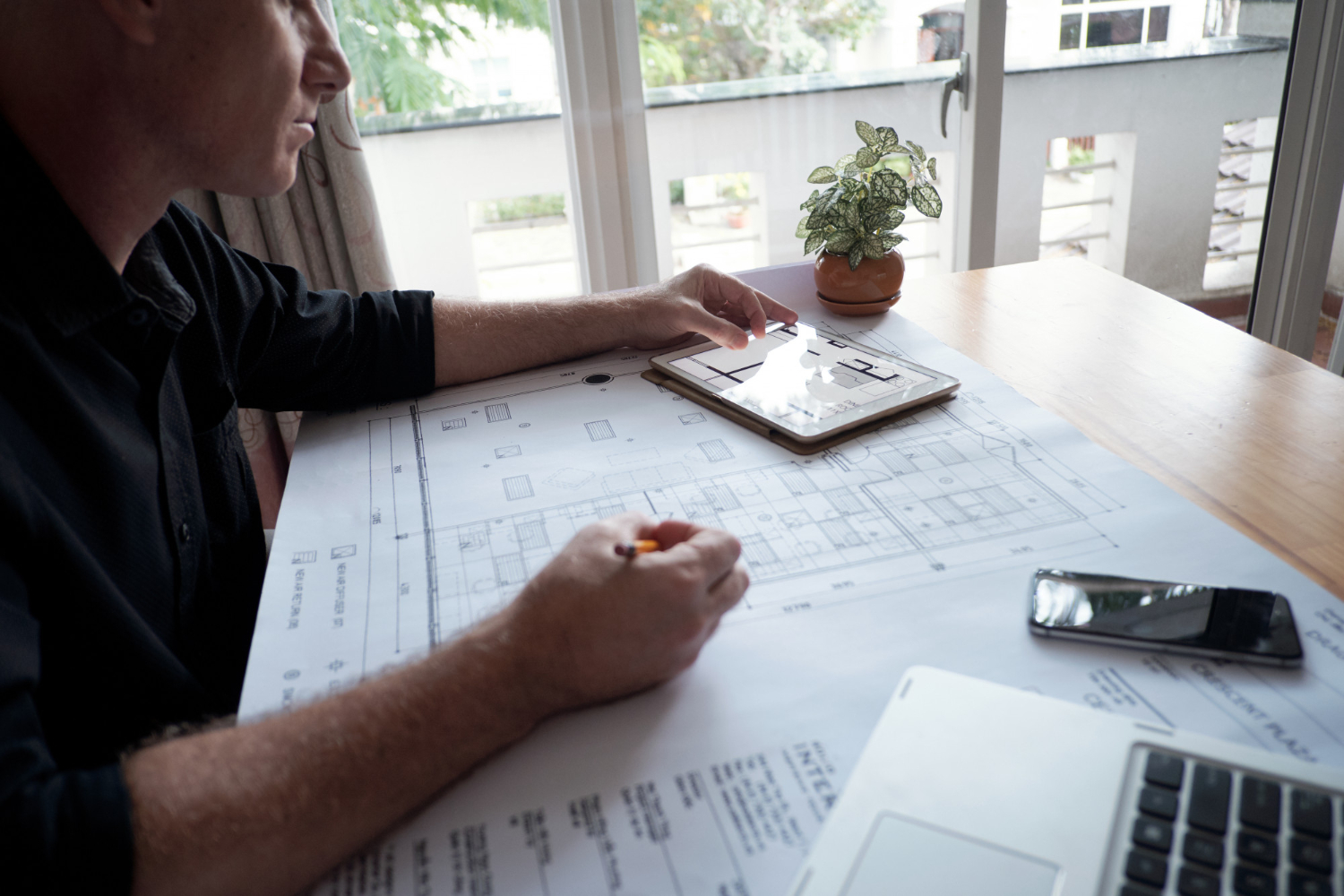
Navigating California’s permitting process can be complex, but with the right preparation, engineers and designers can streamline approvals and avoid costly delays. Effective documentation plays a critical role in achieving compliance with state and local requirements. By focusing on accuracy, coordination, and regulatory awareness, technical professionals can ensure their projects stay on schedule and within budget. Below, we share key insights and best practices to help you master the intricacies of permitting in California.
Understanding California’s Permitting Process
California’s permitting process varies depending on the project type, size, and jurisdiction. However, it typically includes several standard steps that involve submitting detailed plans and documentation to local authorities for review. Engineers and designers must collaborate closely to meet the expectations of permitting agencies, ensuring that designs adhere to building codes, environmental regulations, and safety standards.
The process generally involves the following steps:
- Pre-Application Research
Before submission, research the specific permitting requirements for your project’s location. Cities and counties often have unique building codes and zoning ordinances. Early coordination with local agencies can help identify potential red flags during the planning phase. - Submission of Permit Applications
Complete forms accurately, and ensure all supporting documents, such as site plans, architectural drawings, environmental reports, and calculations, are included. Double-check that every element complies with local, state, and federal regulations. - Plan Review and Corrections
Once submitted, plans are reviewed by permitting officials. This step often identifies errors, leading to requests for clarifications or resubmissions. Staying organized and responsive during this phase is critical to avoid bottlenecks. - Approval and Permit Issuance
After all reviews are satisfied, the permitting office will approve the application and issue permits. It’s important to ensure permits are valid before proceeding with construction or implementation. - Inspections and Final Approvals
Permits are typically subject to ongoing inspections. Accurate as-built documentation and compliance with the original plans ensure smooth progress during this stage.
Common Documentation Requirements and Pitfalls
Accurate and detailed documentation is the foundation of successful permitting in California. However, engineers and designers often encounter specific challenges that lead to delays.
Key Documentation Requirements
- Comprehensive Drawings
Whether submitting architectural, structural, or mechanical plans, ensure they are clear, to scale, and up-to-date. Missing details can trigger costly corrections. - Environmental Impact Assessments
Many California projects require compliance with the California Environmental Quality Act (CEQA). Submitting incomplete or inaccurate environmental reports can significantly hinder approvals. - Code Compliance Reports
Highlight how your designs comply with California Building Standards Code (Title 24). Including detailed narratives mitigates back-and-forth queries from permitting officials. - Calculations and Specifications
Provide complete calculations for structural loads, energy efficiency, and any other compliance essentials. This demonstrates due diligence and builds trust with permit reviewers.
Common Pitfalls to Avoid
- Incomplete Submissions
Submitting plans with missing elements is one of the most frequent causes of delays. Conduct a thorough checklist review before submission. - Lack of Coordination
Disjointed efforts between engineers, architects, and consultants often lead to errors or inconsistencies in documentation. Keep all parties aligned from the start. - Ignoring Jurisdictional Nuances
Each city or county may have unique requirements. Neglecting these details can result in corrections and resubmission requests.
Best Practices for Permitting Success
Adopting best practices helps engineering and design teams avoid obstacles and maintain project momentum. Here are several strategies to ensure permitting documentation is efficient and effective.
1. Start with Clear Project Goals
Clearly define project objectives early on to align your design team with regulatory requirements. Establish collaborative workflows to address jurisdiction-specific codes and standards.
2. Prioritize Accuracy in Documentation
Precision matters in engineering and design. Even minor inaccuracies in calculations, dimensions, or annotations can result in delays. Double-check all documentation for errors before submission.
3. Leverage Technology
Use computer-aided design (CAD) software and project management tools to streamline workflows and ensure consistency. Digital platforms can also help maintain version control to avoid outdated submissions.
4. Maintain Open Communication
Facilitate regular communication between all stakeholders, including permitting agencies. Proactively address any questions or concerns that arise during the review process.
5. Consider Hiring Expert Support
For complex projects, enlisting technical support or consultants with expertise in California permitting can save time and resources. Specialized firms like Darnell Technical Services offer valuable assistance to engineering and design teams navigating regulatory challenges.
Final Thoughts
Understanding the nuances of California’s permitting process is essential for engineers, designers, and project managers seeking to bring their visions to life. By prioritizing accuracy, collaboration, and adherence to local guidelines, professionals can avoid common pitfalls and secure timely approvals.
Looking for Trusted Technical Talent or Project Support?
At Darnell Technical Services, we connect companies with skilled professionals in engineering, architecture, and infrastructure. Whether you need temporary staffing or long-term project support, we’re here to help you succeed.
📞 Contact us today at Corporate (714) 285-0082 or Las Vegas Office (702) 829-8446 — let’s build something great together.