
Plan check approvals are a crucial component in the lifecycle of construction and infrastructure projects. Delays during this stage can lead to missed deadlines, increased costs, and disrupted workflows. For project leaders and engineering managers in California, understanding how to streamline the plan check process is essential. By focusing on well-prepared CADD drawings and accurate documentation, companies can reduce costly setbacks while maintaining compliance with local regulations.
Understanding the Plan Check Process in California
The plan check process ensures that proposed projects align with building codes, safety standards, and zoning ordinances. Local jurisdictions and state agencies require thorough reviews of technical documentation before construction can begin. While this process is critical, it often comes with challenges. Lengthy review times or requests for correction cycles can create significant delays, especially if submitted designs or documents aren’t up to industry standards.
Meeting the expectations of agencies such as the California Department of Building and Safety or various local public works departments demands precision. Engineering teams and project stakeholders must focus on quality from the outset to simplify approvals. A proactive approach saves time and builds trust with regulatory authorities.
The Role of Accurate CADD Drawings
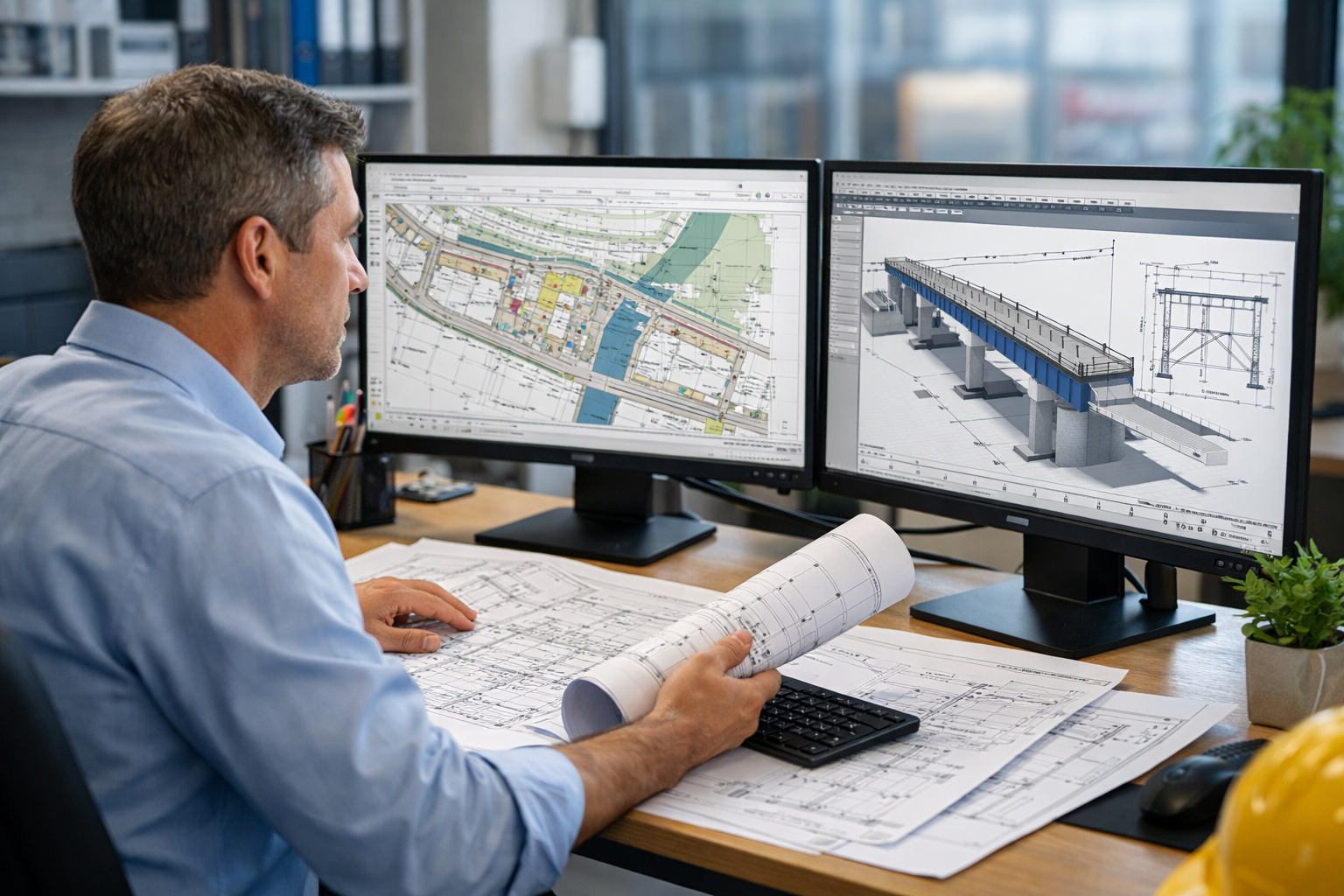
One of the most effective ways to speed up the plan check process is by providing clean, accurate, and detailed CADD (Computer-Aided Design and Drafting) drawings. These technical drawings form the foundation for plan reviewers to evaluate a project. Investing in meticulous CADD design ensures that designs are not only aesthetically flawless but also code-compliant and technically sound.
Key aspects of high-quality CADD drawings that reduce review times include:
- Clarity and Readability – Avoid clutter in drawings by maintaining clear dimensions, annotations, and consistent styling. Accurate labeling aids reviewers in understanding critical design elements quickly.
- Adherence to Standards – California-specific drafting guidelines need to be integrated early in the design process. Using templates and libraries aligned with jurisdictional requirements reduces the likelihood of corrections.
- Error Minimization – CADD files must be checked for errors, from missing dimensions to overlapping components. Software quality checks and peer reviews ensure flawless delivery.
Well-prepared drawings allow agencies to process designs efficiently, minimizing back-and-forth corrections. Errors that seem minor can lead to weeks or months of delays, highlighting the importance of initial accuracy.
The Power of Comprehensive Documentation
Beyond technical drawings, thorough documentation is an essential part of the submission package. Engineering managers and project leads must include all relevant materials that help agencies fully understand the scope and compliance of their project.
Here are some ways accurate documentation can accelerate approval times:
- Code Compliance Reports – Demonstrate how the project adheres to state and local regulations.
- Structural Calculations – Provide detailed calculations to reduce reviewers’ concerns about safety and compliance.
- Environmental and Utility Plans – Ensure that environmental impacts and utility coordination are meticulously planned and accounted for.
By submitting complete and professionally prepared documents, project teams avoid unnecessary requests for additional information. The upfront investment in documentation significantly improves approval speeds and decreases costs associated with multiple review cycles.
Leveraging Digital Submissions and Collaboration Platforms
Another critical factor in optimizing the plan check process is leveraging digital tools. Many California municipalities have transitioned to online submission platforms, such as the ePlans portal. These platforms streamline file sharing and communication between project teams and reviewers, reducing turnaround times. Ensuring your documents are compatible with these systems eliminates technology-related obstacles.
Additionally, integrating collaborative tools such as Building Information Modeling (BIM) enhances team coordination and keeps everyone aligned. By combining BIM with CADD outputs, engineering and project teams can create holistic designs that are easier to review and approve.
Partnering with Experts to Reduce Delays
Having the right talent is crucial when preparing designs and documentation for the plan check process. Skilled professionals can ensure that every detail is up to code and meet deadlines efficiently. Outsourcing or augmenting your engineering staff with experienced CADD specialists and technical consultants can be a game-changer for your project success.
The Bottom Line
Navigating California’s plan check approval requirements doesn’t have to be a bottleneck. A focus on delivering error-free CADD drawings, thorough documentation, and leveraging digital tools allows engineering managers and project leaders to move forward confidently. With proper preparation, you can mitigate delays, reduce costs, and build trust with regulatory agencies.
Looking for Trusted Technical Talent or Project Support?
At Darnell Technical Services, we connect companies with skilled professionals in engineering, architecture, and infrastructure. Whether you need temporary staffing or long-term project support, we’re here to help you succeed.
📞 Contact us today!
Corporate Office: (714) 285-0082
Las Vegas Office: (702) 829-8446
Let’s build something great together.